
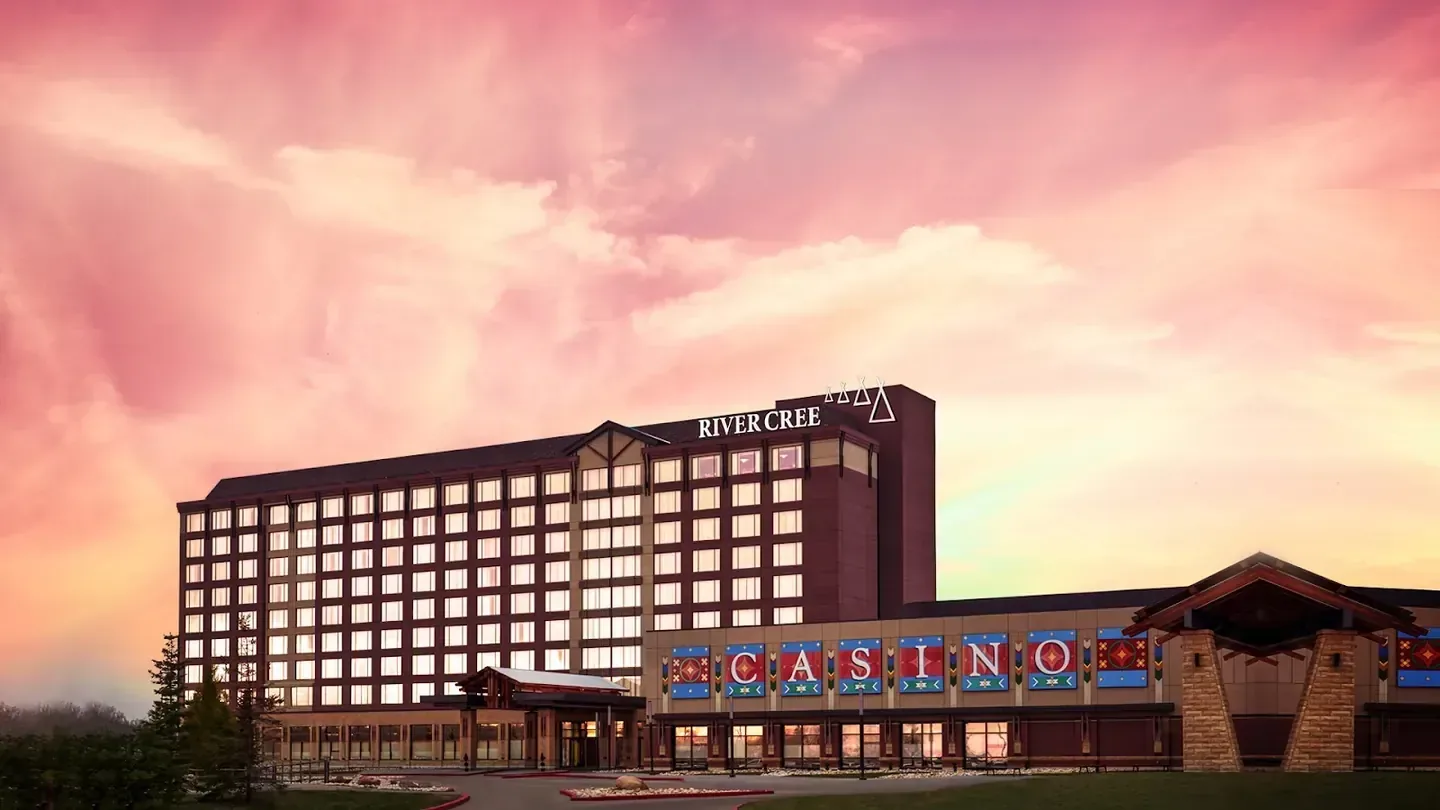
Buildings With a Past
Properties whose architecture or history is the reason to notice them — waterfront landmarks, countryside resorts and destinations where the building itself carries the story.
Explore Buildings With a PastThis website is an independent informational guide and is not affiliated with or operated by any hotel or hospitality provider. Reservations and services are provided directly by official third-party providers.
Rest Escape House describes stays through the same lens every time: arrival, rooms, dining, public space and surroundings. It is an editorial guide — not a booking desk — and each entry ends at the property’s own official listing page.
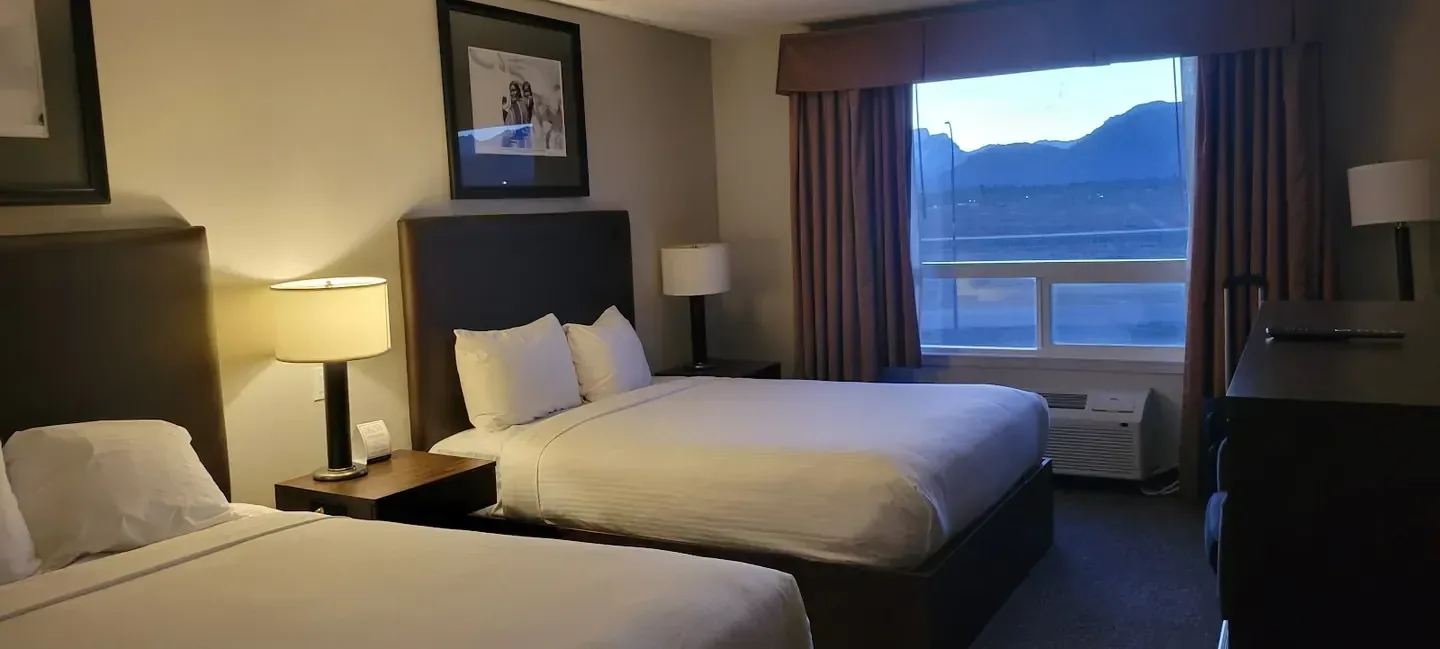
Properties whose architecture or history is the reason to notice them — waterfront landmarks, countryside resorts and destinations where the building itself carries the story.
Explore Buildings With a Past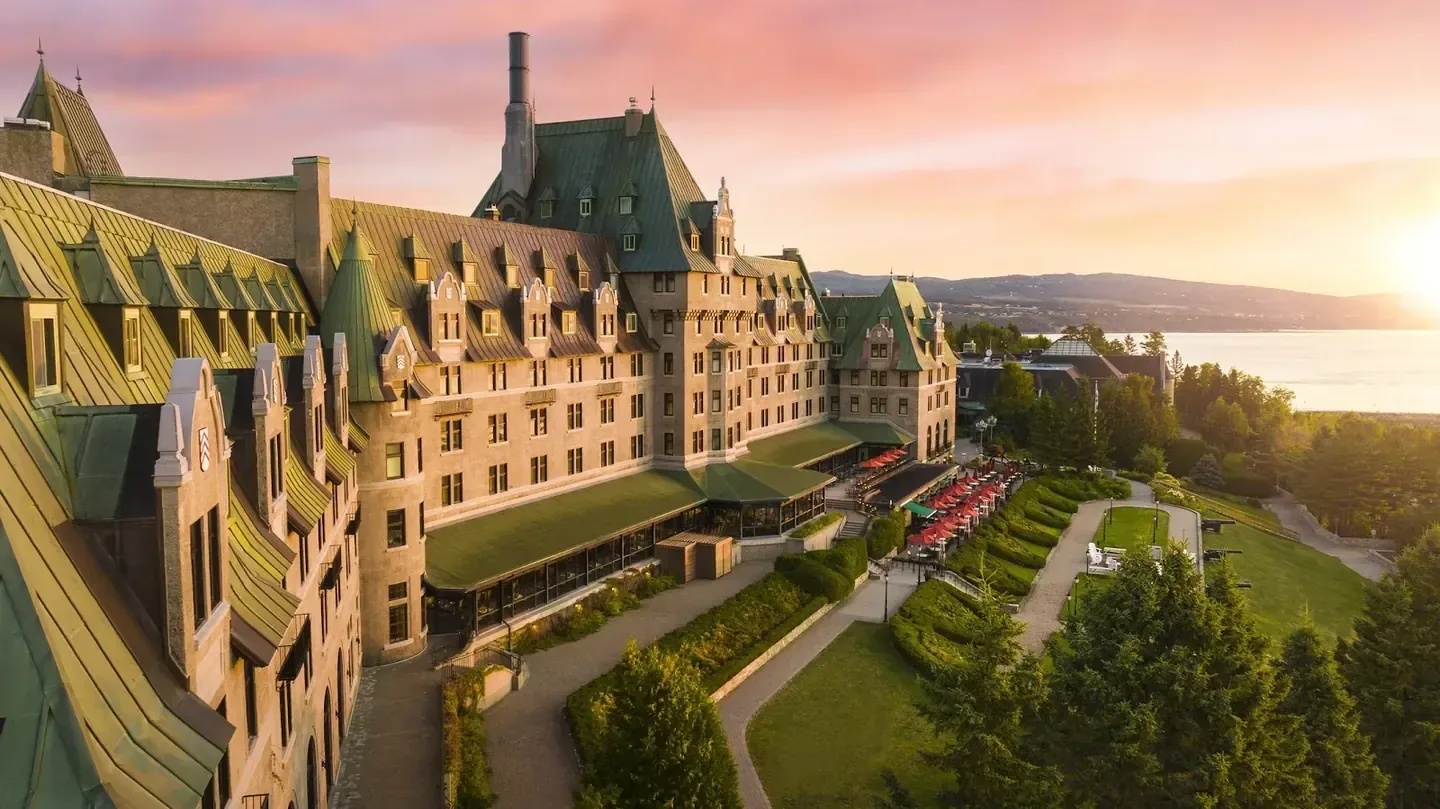
The largest and most fully equipped properties in the guide — resorts and integrated destinations where dining, wellness and event space sit alongside the rooms.
Explore Premier Properties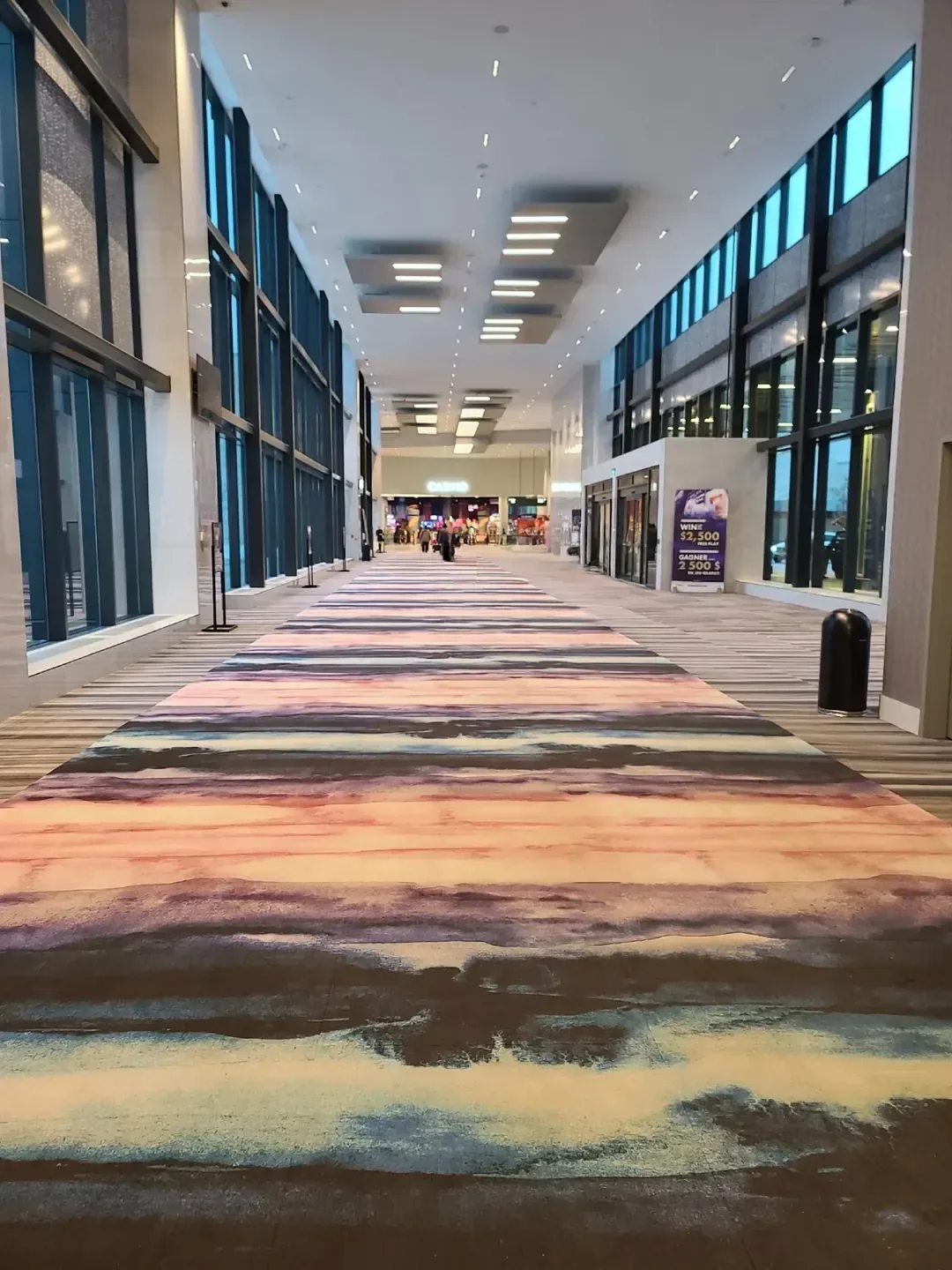
Smaller and less obvious properties that stand out for their setting and character rather than their scale — urban edges, countryside floors and downtown destinations alike.
Explore Hidden GemsEach entry follows the same five lenses so you can compare places without marketing noise. The guide states what is present; it does not rank properties against one another.
How the approach, entrance and first public rooms set the tone of the stay.
The character of the guest floors as places to sleep and settle between outings.
Whether meals sit on site as part of the destination, without naming outlets.
Lobbies, circulation and shared floors that shape how the property feels between rooms.
Waterfront, mountain, countryside or city context that frames the property.
Notice how the threshold is staged: lobby scale, light and the path from door to desk. Those cues usually hold for the rest of the visit.
Public seating, circulation and the view outward tell you whether the property feels like a resort campus or a compact city hotel.
The walk to the room reveals acoustic quiet, finish quality and how guest floors relate to gaming or dining wings.
Window orientation — water, mountain, courtyard or city — is often the clearest signal of why a property sits where it does.
These comments concern Rest Escape House — its structure and clarity — not any property described inside it.
I found the pages quick to read and free of clutter. The structure stays the same from entry to entry, which made scanning simple.
Noelle M.
The plain descriptions of what each property actually offers were useful. Nothing felt padded or written to persuade.
Hannah W.
I appreciated moving from an entry straight to the official listing page. The guide stops where the operator’s information begins.
Marcus P.
Entries span countryside resorts, waterfront destinations, mountain approaches and city hotels with casino floors. The map is wide by design: the common thread is a consistent editorial reading, not a single destination brand.
When an entry has told you enough, follow the listing button on that property’s card. Schedules, house rules and any remaining detail sit with the operator’s own page — Rest Escape House does not hold them.
Begin with a catalog, or read how this guide is built before you browse.